“Una Emoción”
XXXXXXXXXXXXXXXXXXX-Little Richard, “Tutti Frutti”
Opening lines are important. The really good ones should suck you in… or maybe, even drive you away. Here’s the first sentence of Hunter Thompson’s Fear and Loathing in Las Vegas: “We were somewhere around Barstow on the edge of the desert when the drugs began to take hold.” This is truth in advertising—a little preview of what’s to come. Just like the beginning of Little Richard’s “Tutti Frutti”, Thompson is giving us fair warning: Walk away now, or hang on for a wild ride. I love some of the opening lines of tango songs. For someone who isn’t fluent in castellano, sometimes just learning the title and the first line is enough to get an idea of what the music is about. Every time Campos sings the first and the last lines of this tango, he’s giving a little mini-tutorial on the nature of tango. It begins like this:
“Vengan a ver que traigo yo, en esta unión de notas y palabras"
“Come and see what I bring with this union of notes and words”. Campos delivers it with an ominous tone that says, “Pay attention!” ...because he's about to give us a very precise and concise definition of tango: Tango is a message that unites both words and music to create an emotional dream of the old neighborhoods (the house where he was born, a rosebush and vines covering his bedroom window, an old carousel in the plaza). Tango is the pulse and rhythm of Buenos Aires… and people who are attuned to it can hear the music on every street corner. And finally, the hook:
“No tiene pretensión…no quiere ser procaz… se llama tango y nada más.”
This part is sung in a very strong, almost threatening voice. Campos is making a serious point to the people who would try to re-invent tango: Tango is not pretentious, and it’s not vulgar. It's not gymnastics, and it's not stage skits about pimps and prostitutes. It’s about the soul of Buenos Aires, and nothing more. Here’s the music:
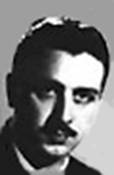
Ricardo Tanturi
Come and see what I bring
with this union of notes and words.
It’s a song inspired
by a dream that rocked me last night.
It’s the voice of the tangos
that can be heard on every street corner,
by those who live with this powerful emotion.
I want to sing about this beautiful sound
that is more sweet and seductive every time.
I heard it last night, wrapped in a dream…
an emotional dream of things in my past:
The house where I was born…
the window bars and the vines…
an old carousel, and a rosebush.
It’s a song with a sentimental voice…
its beat is the rhythm of my city.
It's not vulgar,
and it's not pretentious.
It’s tango... and nothing more.
Vengan a ver que traigo yo
en esta unión de notas y palabras.
Es la canción que me inspiró
la evocación que anoche me acunaba.
Es voz de tango
modulado en cada esquina,
por el que vive una emoción que lo domina.
Quiero cantar por este son
que es cada vez más dulce y seductor.
Envuelto en la ilusión anoche lo escuché,
compuesta la emoción por cosas de mi ayer:
La casa en que nací...
la reja y el parral...
la vieja calesita y el rosal.
Su acento es la canción de voz sentimental...
su ritmo es el compás que vive en mi ciudad.
No tiene pretensión,
no quiere ser procaz.
se llama tango... y nada más.
This is an eloquent description of a pure form of tango—nostalgic poetry about the fading beauty of the old neighborhoods. (We’ll talk about Farol later, another great example of this type of tango). Here's the ending:
If tango is so humble and so simple
in its rhythms,
then why add crude lyrics,
when the simple emotion that remains
so easily reaches the heart?
¿Si es tan humilde y tan sencillo
en sus compáses,
porque anotarle un mal ejemplo en cada frase?
Con este resto de emoción,
muy fácil es llegar al corazón.
So, Emoción finishes with a complaint about the corruption of tango (which is probably more relevant today than it was when it was first written). It says tango should be nothing more than a simple obra de arte (work of art) about the city. Why ruin it with words about unpleasant things? It’s a strong point… although, I have to say that some of the tangos that have a little drinking and bad behavior are pretty entertaining. After all, if you removed all the ugliness from the subject matter, you’d have to throw out a lot of very interesting music, including El Encopao, and El Nene del Abasto.
By the way, this tango may have been heard by more people recently than in all of the last fifty years, because Geraldine and Pablo Veron danced to it during the closing credits of Robert Duvall’s movie, Assassination Tango. I thought they did a great job, however something bothered me a little. Geraldine is porteña to the core, but Pablo Veron’s connection to the tango world of Buenos Aires is tenuous at best—and he seems to be as full of himself as anyone I’ve seen come down the road in a long time. As the credits rolled, and I watched him strutting arrogantly to lyrics that describe the simplicity and humility of tango, I couldn’t help but wonder if anyone else felt a touch of irony. Tango is a powerful and beautiful thing, but after all, it's only tango. He's not saving humanity—he’s just a just a stage dancer. A “hoofer” as the old vaudevillians used to say. Se llama tango… nada mas.